
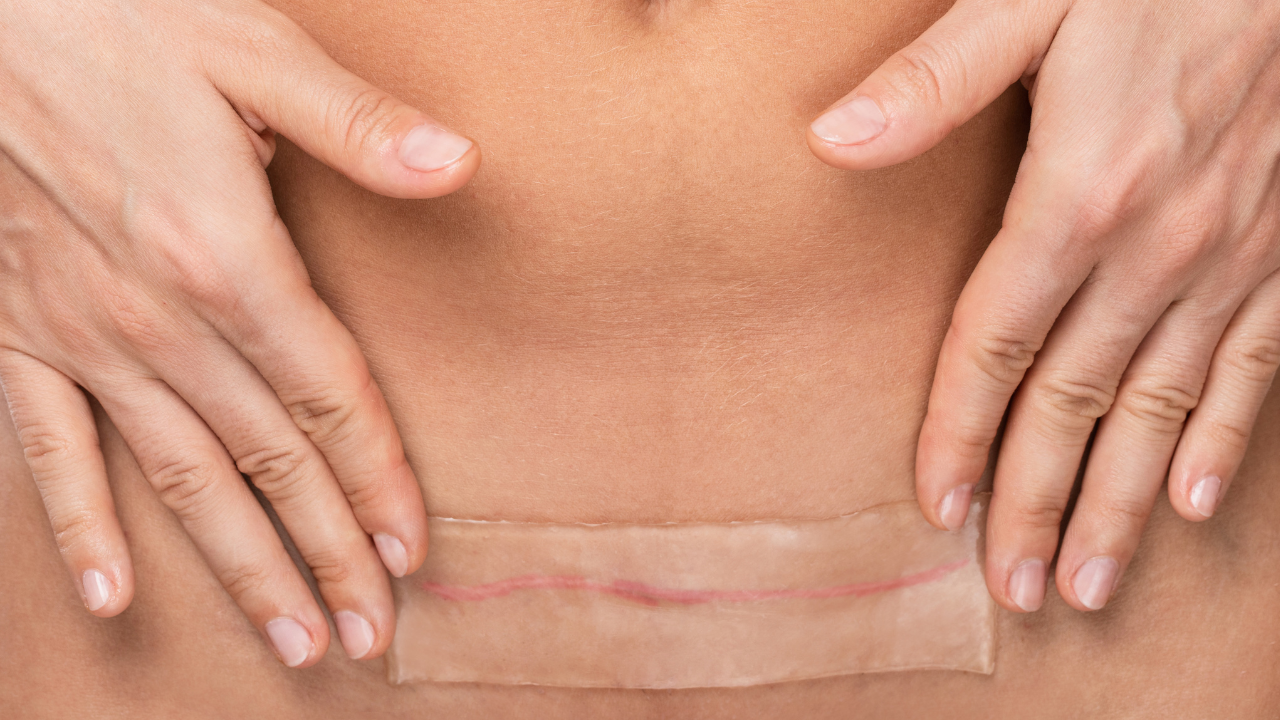
C-section scars carry more than just physical marks—they often hold emotional weight, personal stories, and powerful reminders of motherhood. While many expect the scar to vanish quickly, the reality is more nuanced. Healing can take a year or longer, and for some women, the scar remains visible. Its presence can stir a mix of emotions—from self-consciousness to pride.
Let’s break down the myths, explore how women feel, and share ways to support healing—physically and emotionally.
❌ Common Misconceptions About C-Section Scars
“The scar will disappear quickly”
Scars may fade over time, but they rarely vanish completely. Healing is gradual and varies from person to person.“All scars look the same”
Not true. Some scars are thin and pale, while others may be raised, red, or wider. Each body heals differently.“It’s just about appearance”
Many women experience numbness, tingling, or discomfort around the scar—sensations that can affect daily life.“A pooch means poor healing”
That fold of skin above the scar—often called a “C-section shelf”—is a normal part of recovery, not a surgical mistake.
💬 How Women Feel About Their Scars
Self-consciousness & anxiety
Some women feel insecure about how their scar affects body image, intimacy, or confidence.Empowerment & pride
Others embrace their scar as a symbol of strength—a visible reminder of the miracle their body achieved.Discomfort & pain
Itching, sensitivity, or lingering pain can be frustrating and emotionally draining.Desire to minimize appearance
Many explore treatments like massage, silicone sheets, or medical procedures to soften or fade the scar.Acceptance & reflection
For some, the scar becomes part of their story—acknowledged, accepted, and woven into the joy of motherhood.
🌿 Supporting Your Healing Journey
Seek support
If your scar brings physical or emotional challenges, reach out to healthcare providers, therapists, or support groups. You’re not alone.Prioritize healing
Follow your doctor’s care instructions and listen to your body. Healing is not just physical—it’s emotional too.Celebrate your body
Your scar is a testament to resilience, courage, and the incredible journey of bringing life into the world.